
Mastering Mulch: A Guide to Laying Your Garden’s Foundation
Have you ever looked at your garden and wondered why your plants aren’t thriving as they should? Perhaps you’ve noticed that your soil dries out too quickly, or that weeds are taking over. One simple solution might be right underfoot: mulch. Understanding how to lay mulch properly can transform your garden, providing the nutrients and moisture your plants need while keeping those pesky weeds at bay.
Before you dive into how to spread mulch effectively, let’s take a closer look at why mulch installation is a game-changer for your garden maintenance routine.
What is Mulch and Why Does It Matter?
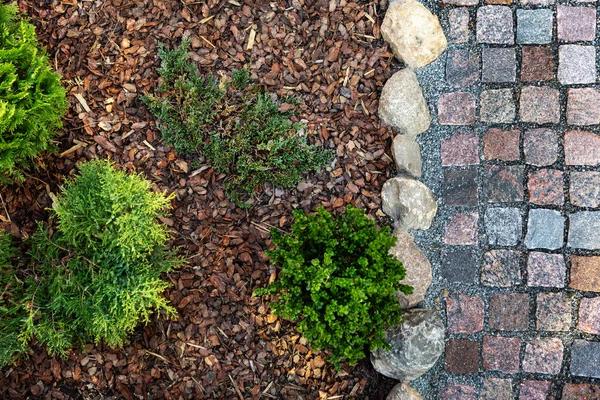
Mulch is essentially any material that you spread over the soil surface. It can be organic, like wood chips, straw, or leaves, or inorganic, such as stones or landscape fabric. The primary purpose of mulch is to retain soil moisture, suppress weeds, and enhance the visual appeal of your garden. But the benefits don’t stop there — a well-laid mulch can also regulate soil temperature, prevent erosion, and even improve soil fertility as organic mulches decompose.
Choosing the Right Mulch for Your Garden
The type of mulch you choose depends largely on your garden’s unique needs and your aesthetic preferences. Organic mulches like shredded bark or compost are excellent for boosting soil health over time, while inorganic mulches like gravel or rubber chips can provide a cleaner look with minimal maintenance. Consider what you’re hoping to achieve with your mulch installation — is it purely decorative, or are you aiming for long-term soil improvement?
How to Lay Mulch: Step-by-Step
Laying mulch might seem straightforward, but doing it correctly requires a little know-how:
- Prepare the Area: Start by clearing the area of weeds and debris. This ensures that your mulch will lay flat and look even.
- Edge Your Beds: Creating a clear edge around your garden beds helps keep the mulch contained and enhances the overall appearance.
- Select the Right Thickness: Aim for a layer that’s about 2-3 inches thick. Too thin and it won’t be effective; too thick and it could prevent water from reaching the roots.
- Spread Evenly: Use a rake or your hands to spread the mulch evenly across the soil. Be careful not to pile mulch against plant stems, as this can lead to rot.
- Water the Mulch: After spreading, lightly water the mulch to help it settle into place.
Tips for Spreading Mulch Like a Pro
- Avoid Over-Mulching: More isn’t always better. Over-mulching can suffocate plant roots and encourage pests.
- Refresh Annually: Organic mulches break down over time, so it’s a good idea to add a fresh layer each year.
- Consider Seasonal Needs: Laying mulch in spring can help conserve moisture as the weather warms, while a fall application can protect plants from winter frost.
Mastering the art of spreading mulch can seem daunting at first, but once you get the hang of it, you’ll see how transformative it can be for your garden. By choosing the right materials and applying them thoughtfully, you can create a thriving, low-maintenance landscape. Remember, your garden is a reflection of your care and attention, and a well-mulched bed is a testament to that.
In the end, understanding how to lay mulch isn’t just about following steps — it’s about fostering a deeper connection with your garden. So, next time you grab that rake, think of it as an opportunity to nurture and sustain your little corner of the world. Happy gardening!